Sole Trader, Partnership or Company?
One of the first decisions you'll make when starting a business is choosing the right business structure. The option you choose affects how much tax you pay, how much paperwork you'll have, and how much personal risk you take if things go wrong. While many businesses start as sole traders, that's not always the best choice. As your business grows it’s often possible to change to a more suitable structure.
Here's a simple guide to help you understand your options.

Sole Trader
Best for… side hustles and contracting. It works well for many small businesses because its quick to set up and inexpensive to run.
Advantages
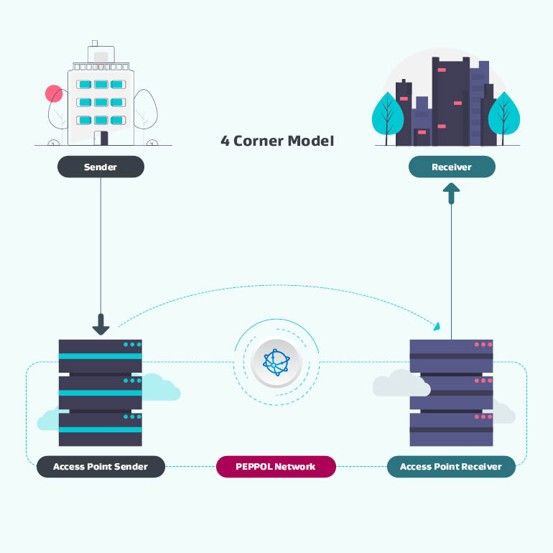
Being a sole trader is the easiest and cheapest way to get started. If you are a sole trader, your personal IRD number is your business IRD number. An NZBN isn't compulsory, but it's worth considering if you work with Government agencies, want to use e-Invoicing, or simply want to present a more established business to customers.[i]
There are fewer registration and reporting requirements for a sole trader, so you can save on compliance and accounting costs.
The profit from your business is included in your personal tax return and taxed at your normal personal income tax rates. If your business makes a loss, then it can offset other taxable income, and often this allows to you receive income tax refunds. You can take drawings out of the business at any time for personal spending.[ii]
Watch for
When you’re a sole trader, there is no limitation of liability. If your business signs a long-term lease, borrows money, employs staff or could face claims from customers, you should think carefully about protecting your personal assets. Some of this can be mitigated by insurance, such as public liability insurance or professional indemnity insurance.
Partnership
Best for… going into business with someone you trust.
Advantages
A partnership is a very easy structure for a group of individuals or entities to do business together. You will need to apply for an IRD number for the partnership. Although partnerships are easy to set up, we strongly recommend having a written partnership agreement. It sets out how profits are shared, how decisions are made, what happens if someone wants to leave the business, and how disputes will be resolved.
Unless you agree otherwise in a partnership agreement, profits and losses are generally shared equally. If you have a partnership agreement, you can decide to allocate profits unevenly, reflecting that one partner is more actively involved in the partnership or has contributed more assets.
Partnerships file an income tax return, but they don’t pay tax; income is taxed in the hands of each partner. If your partnership makes a loss, then it can offset partners’ other taxable income, and often this allows to you receive income tax refunds. You can take drawings out of the business at any time for personal spending.
Watch for
Every partner is an agent of the firm and each other, so partners are bound by each other’s actions. Every partner is jointly liable for the firm’s debts and obligations. This can create problems for the other partners if one partner causes a loss and can’t pay, because the other partners will be required to pay the outstanding debt. Much like the situation for sole traders, liability is unlimited.
Company
Best for… businesses that are growing, taking on more risk, or wanting to separate personal and business assets.
Advantages
A company is a separate legal entity from its owners. This means it owns its own assets, earns its own income and pays its own tax.
A company’s separate entity status means that profits and losses stay with the company. However, working owners can earn PAYE salaries or shareholder salaries.[iii] You don’t need to show company profits in your personal tax return unless: a) you receive salary which is deducted from the company’s profits or b) you receive a dividend from the company. When a company has accumulated tax-paid profits, it can declare dividends to pass those profits to shareholders.[iv]
A company is an attractive structure if there is commercial risk in your business, such as long-term lease, finance arrangements or workplace health and safety obligations. Shareholder liability is limited to the paid-up capital of the business, so if the company suffers a loss they aren’t personally liable. There are some caveats around this limitation: if you give personal guarantees then you are liable up to the guaranteed amount, if you are a director who acts recklessly you may be held personally liable for the loss.
Watch for
A company is a separate entity from its owners. In New Zealand, it is straightforward to set up a new company on the Companies Register, but there are formalities which you don’t need for partnerships or sole traders. You can set up a company with one director and one shareholder with one share, or you can have multiple directors and shareholders.
A company has greater reporting requirements than a sole trader. Even if it small enough to be exempt from full financial reporting requirements, it still needs a profit or loss statement and balance sheet each year. It files a separate income tax return and a Companies Office annual return each year.
Look Through Company (LTC)
Best for… managing the risk and sharing the returns.
An LTC combines some of the legal protection of a company with the tax treatment of a partnership. They can work well for some small businesses, but the rules are more restrictive than for an ordinary company.
Advantages
An LTC has the limited liability of a company. But from a tax point of view, it behaves like a partnership, with profits shared according to your ownership interest. Your share of LTC profits are included in your personal income tax and taxed at personal tax rates. If the LTC makes a loss, you may be able to offset your share against other taxable income.
Watch for
A look through company has the same legal requirements and financial reporting requirements as an ordinary company. There are limitations on the number of owners, overseas income and interest deductibility.
Trading Trusts and Limited Partnerships (LPs)
Trading trusts and limited partnerships can be useful in the right circumstances, but they are generally more complex than most new businesses need. We'll cover these structures in a future article.
Still not sure which structure suits you? Here's a quick guide:
If you... Consider...
Are starting a side hustle or contracting on your own Sole trader
Are going into business with someone you trust Partnership
Want to separate your personal assets from your
business assets Company
Want company protection but partnership-style tax Look Through Company
There isn't a "best" business structure—only the one that's right for your situation. The right choice depends on factors such as the level of business risk, whether you're working alone or with others, your expected profits, and your plans. Choosing the right structure at the beginning can save significant time, tax and legal costs later.
If you're unsure which option suits your business, we would be happy to discuss your plans and recommend the structure that's right for your business, before you invest time and money setting it up.
- Serena Irving
Serena Irving is a director in JDW Chartered Accountants Limited, Ellerslie, Auckland. JDW is a professional team of qualified accountants, business consultants, tax advisors, trust and business valuation specialists.
Download a PDF version here or contact the author by email. Like our Facebook page for regular tips.
An article like this, which is general in nature, is no substitute for specific accounting and tax advice. If you want more information about the issues in this article, please contact your adviser or the author.
[i]
https://www.nzbn.govt.nz/get-an-nzbn/applying-for-an-nzbn
[ii] https://www.jdw.co.nz/how-do-i-pay-myself-as-a-sole-trader
[iii] https://www.jdw.co.nz/how-do-company-shareholder-salaries-work