What would you do with $10,000
What would you do with $10,000?
Congratulations! You have won $10,000! What would you spend it on? A holiday with the family? A new wardrobe of clothes and shoes? Something nice for the kids, small or big? Tonight, I am going to tell you the story of Little Ted and what he decided to do when he won $10,000 and more.
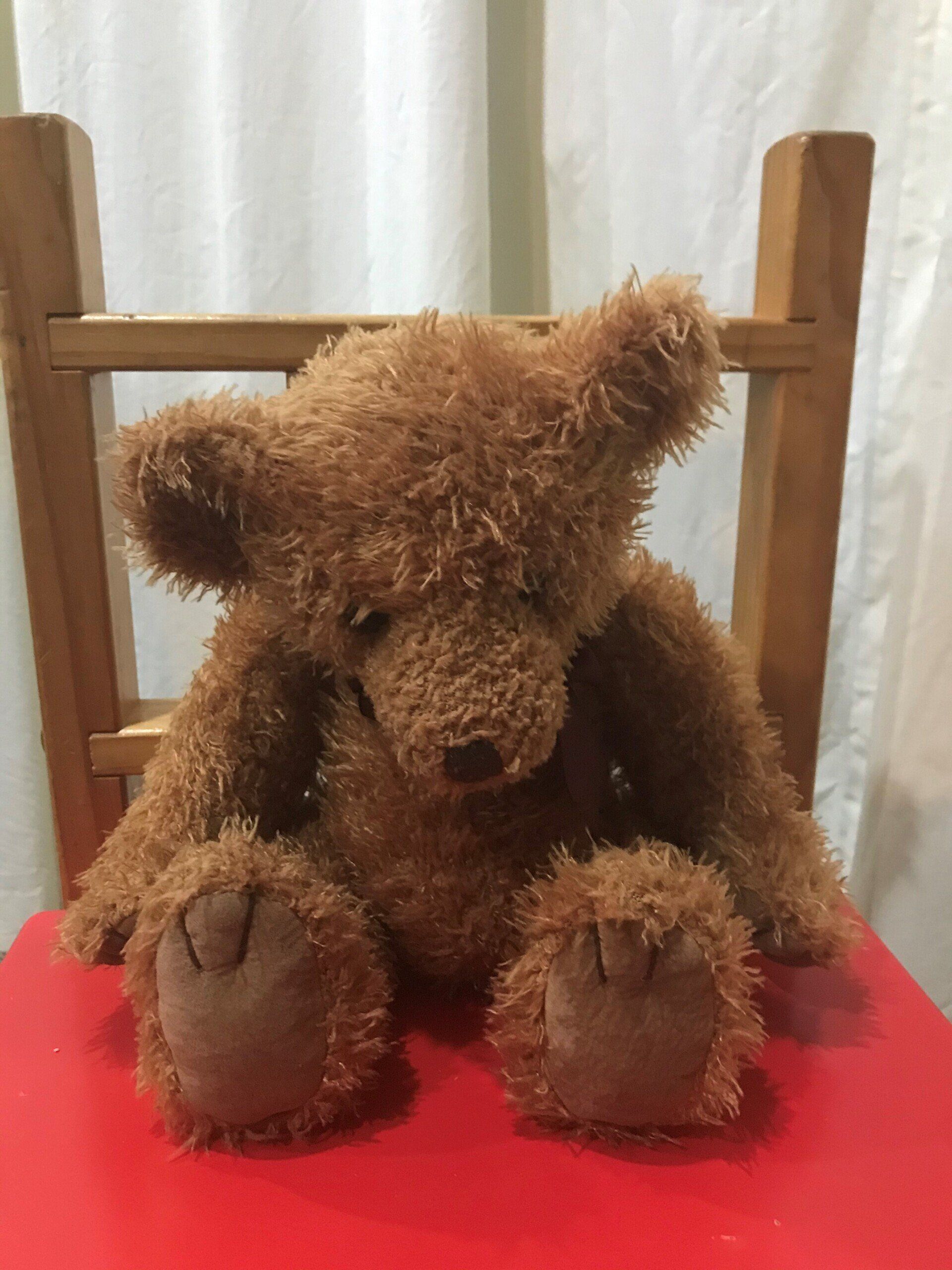
Here is Little Ted, owner of a toy store. He has been in business for 5 years and making a modest return. Prior to the lockdown he was working most days himself as his 5 part time staff were mostly retirees and students. He spent most of the lockdown sitting in his window, watching the children walk past the store waving at the toys on display. The solitude was almost unbearable. He didn't have a relaxing 7 weeks break like some of his friends, because he was worrying about how he was going to pay his loyal staff, his landlord and his suppliers. He applied for the wage subsidy to help with the payroll, but even though his shop door is now open under Level 2, he has few customers walking in to browse. Parents don't allow their children to handle the toys as it is too risky, so the cheerful giggles are missing, and the mood is more sombre. He decides to apply for the Small Business Cashflow Loan for his business and four full-time equivalent employees including himself. That day he receives $17,200 which is just a little under the average loan size under the scheme.
Firstly, this $10,000 is not a prize, but a loan for businesses. A one-off Small Business Cashflow loan for $10,000 plus $1,800 for every full-time equivalent employee. An interest-free loan if you pay it back within 12 months. If you keep the funds for longer, you will pay just 3% interest per annum and repay the principal within 5 years. If you miss an instalment the penalty interest is 3% plus the use of money interest rate. You only have until 12 June 2020 to claim this loan if eligible.
The IRD has already lent more than $824m to more than 47,000 businesses as at last Friday according to an article on interest.co.nz. Some critics of the article say it is too little to support a business that has employees and bills, but no income. Other critics says that it is corporate welfare in disguise, as the IRD does not ask for any security, guarantees or cashflow reports before releasing the funds. For small or medium business owner, Little Ted, this is a welcome cash injection, on top of the wage subsidies. Little Ted knows the business must be viable and have a plan for it to be viable over the next 18 months. That's a tough ask, when the business has only just re-opened. Little Ted asked his chartered accountant to help him prepare his financial statements for last year and a cashflow forecast for the next 18 months. His chartered accountant questioned him on where his customers were going to come from, and what seasonal patterns he needed to consider for his buying and selling.
Together they formulate a plan for spending the loan. Some of the loan money is going to be spent on a website developer. To turn the static website into a true online store, with videos, e-commerce capability. Some of the money is going to pay the most urgent bills and the rest is going into a "rainy day" fund.
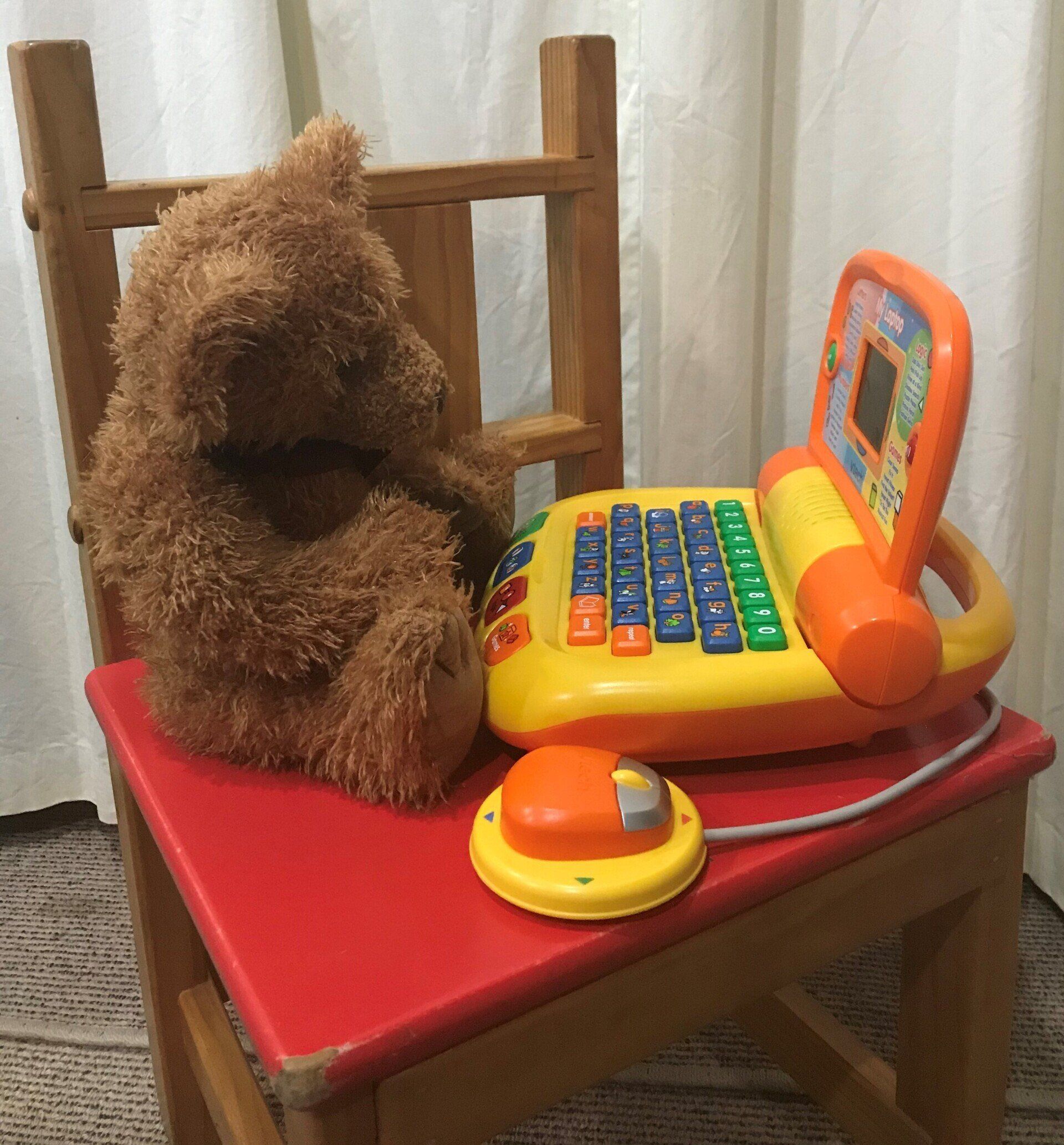
While preparing the cashflow forecast, they identify several cost savings and other revenue sources. The annual toy buyers' expo is cancelled, so there are no travel costs. The landlord agrees to a discount for the period the shop was closed. Their website blogs and videos earn affiliate advertising revenue.
Each month has a sales target, a cost budget, a loan contribution target. And a bit left over to put into the rainy day fund. By the time the first 12 months are up, Little Ted knows he will have enough to repay most of his loan and be in a stronger position to face any other misfortunes which crop up.
If you are a business owner, with the Small Business Cashflow Loan, how will you spend it? The loan has favourable conditions but it is still a loan. Invest it wisely and thoughtfully in your business, so that you can maximise the return on the funds you borrowed. Chat with your chartered accountant. Be like Little Ted and have a plan to strengthen and grow your business.
- Serena Irving
Download a PDF copy here, or contact the author by email.
The information and examples given in this article are general in nature and are not personal investment, financial or tax advice. We recommend that you contact the author or another professional advisor for advice that is specific to your needs.
Serena Irving is a director in JDW Chartered Accountants Limited, Ellerslie, Auckland. JDW is a professional team of qualified accountants, auditors, business consultants, tax advisors, trust and business valuation specialists.