Death Knell for Cheques
Death Knell for Cheques
When was the last time you wrote a cheque? With EFTPOS, electronic banking and direct debits, I haven't written a personal cheque in over a decade. But that's not true for everyone. For some, it's going to be a challenging time when cheques are no longer accepted. Especially if they don't currently have a computer or smart phone. The death knell is ringing for the cheque, and JDW has tips to help you adapt.
ACC and IRD will stop processing cheques for payments from 1 March 2020. IRD Commissioner Sharon Thompson's media release says: "Cheques are part of a paper-based world and don't mesh with the increasingly digital world we now operate in. The number of cheques being used is spiralling down and will continue to trend that way. Electronic payments are simpler, easier and safer."
IRD recommends that tax payments be made electronically via internet banking (using your bank's website or app) or direct debit in MyIR (IRD's website). In MyIR, you can also schedule regular direct debits. IRD's website also accepts payment by credit card or debit card, but a transaction fee is charged when you use this service. You can also pay your tax payments by cash or EFTPOS at your local Westpac branch. Some chartered accountants, like JDW, also have trust account services to help clients manage tax payments.
Kiwibank will stop issuing bank cheques from 28 February 2020 and will stop accepting cheque deposits on that date. Kiwibank customers have been asked to stop writing cheques on that date, as they may not be honoured. The Kiwibank website says, "There are a number of ways we can help you get prepared for this change including Stepping UP digital banking workshops, Kiwibank Tech Teas or our digital support hub."
"The cheque is in the mail" used to be a convenient excuse when suppliers called to find out why customers' payments were delayed. With electronic payments, this is a phrase that has been consigned to history, as are paper invoices (see E-invoicing sidebar). Electronic payments are less susceptible to theft or tampering, and the funds are available instantaneously or overnight, depending on the bank. They aren't fool proof though, so take extra care if you are relying on someone else to set up payments for you. Do you have appropriate invoice approval measures, security measures such as two-factor authorisation and bank account checks for your business, to protect against theft or fraud?
E-invoicing
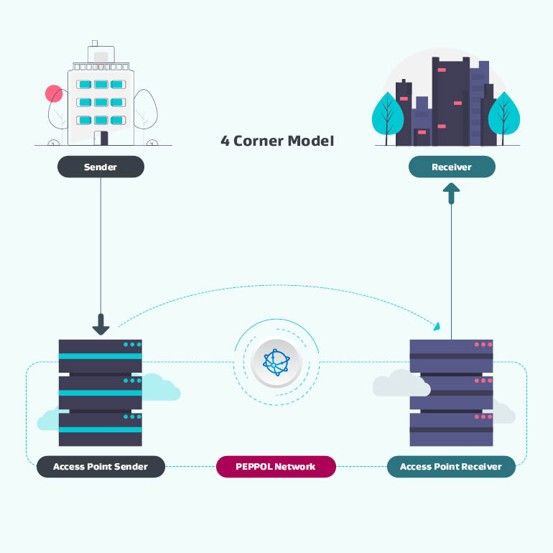
Direct electronic invoicing between suppliers and business customers, using the PEPPOL standard invoicing framework, is on the way. This is going to be a huge time-saver and cost-saver for businesses: no printing and mailing paper invoices on the supplier side, no re-keying or scanning invoice data on the customer side. Higher accuracy, better security, fewer opportunities for fraud and fewer delays. When e-invoicing is teamed with electronic payment services, suppliers will be paid faster.
To make sure that you get the most out of e-invoicing, make sure that you have a New Zealand Business Number (NZBN) and your accounting system is PEPPOL-compliant. New Zealand companies are issued a NZBN when they are registered. The major accounting system providers, Xero, MYOB and Reckon, are due to make announcements about e-invoicing in early 2020.
Cheques are being phased out and this is welcome news for anyone who has had to balance a cheque book. But for some payers, alternative methods of payment are beyond their current abilities or resources. If you find the removal of cheques a challenge, contact your banker or chartered accountant to discuss how you can make payments easier.
Download a PDF version here or contact the author by email . Like our Facebook page for regular tips.
- By Serena Irving, JDW Chartered Accountants
Serena Irving is a director in JDW Chartered Accountants Limited, Ellerslie, Auckland. JDW is a professional team of qualified accountants, auditors, business consultants, tax advisors, trust and business valuation specialists.